
Daily News 10/14
Daily News 10/14
Daily News Archives Since June 2026
The World Is in a Water Crisis and Climate Change Is Making it Worse
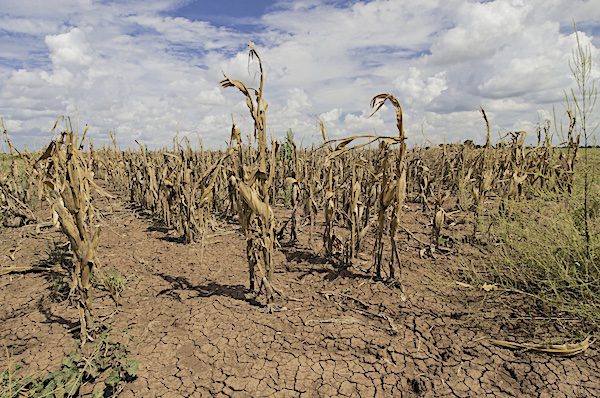
The leading cause of climate change is heat-trapping gases that mainly result from the burning of fossil fuels from our energy and transportation sectors. Emissions are also an animal agriculture, waste management, and industry by-product. Systemic actions to reduce heat-trapping gas emissions are our best chance to reduce climate change impacts, including the increasingly serious water crisis.
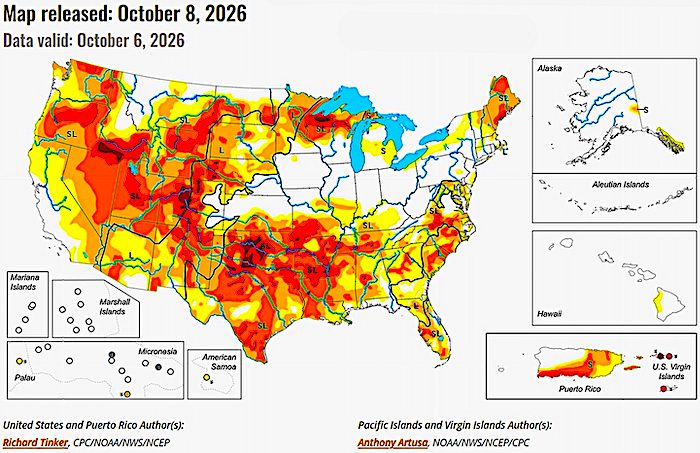
Today, The Buning of Fossil fuels serves no other purpose, than to insure no competition profits for Big Oil and the Trump Family!
Global Warming is Irreversible Unless we Immediately Stop Burning Fossil Fuels! Climate Change? The Oil Industry Knew! For Over 50 Years, the Oil Industry Knew the Connection Between Burning Fossil Fuels and Climate Change.: Big Energy/U.S. Capitalism Has Made a Conscious Decision to Commit Ecocide, Rather Than Lose Their Profitable Enterprises: “The panelists examined the corporate genesis of the climate denial movement and the many methods of influence that have been utilized to stall effective climate change policy. Using documents and analysis found on Climate Files, Davies recounted how the largest oil majors, including Shell and Exxon, had extensive internal knowledge about climate change science and impacts decades before it became a topic of global concern. Rather than addressing the threat that their product posed to the world, the documents show that the fossil fuel industry engaged and funded a climate change countermovement to deny the urgency their own scientists knew to be true.” The Climate Change Countermovement: Brown University Report and Panel”— (2019)
One Fact, Ignored by the Media Monopoly, is That Big Oil is Also a Factor in the Global Water Crisis:
An example of this fact is the population living “downwind” from the many oil refineries in Contra Costa County in the San Francisco Bay Area. People living near these refineries have very high rates of cancer. In EPA terms, this is called a “cancer cluster.” The EPA, in its corporate manner, determined that the high rates of cancer was caused by high rates of smoking in the area and not from the refineries’ carcinogenic pollutions! However, under the rules of Proposition 65 in California and after several years of litigation, the Gasoline Refining Industry had to post this warning in the February 24, 1999, issue of the San Francisco Chronicle: Text of Actual WARNING: Chemicals known to the State to cause cancer, birth defects, or other reproductive harm are found in gasoline, crude oil, and many other petroleum products and their vapors, or result from their use. Read and follow label directions and use care when handling or using all petroleum products. Chemicals known to the State to cause cancer, birth defects, or other reproductive harm are found in and around gasoline stations, refineries, chemical plants, and other facilities that produce, handle, transport, store, or sell crude oil and petroleum and chemical product Other facilities covered by this warning include, for example, oil and gas wells, oil and gas treating plants, petroleum and chemical storage tanks, pipeline systems, marine vessels and barges, tank trucks and tank cars loading and unloading facilities, and refueling facilities. The foregoing warning is provided pursuant to Proposition 65. This law requires the Governor of California to publish a list of chemicals “known to the State to cause cancer or reproductive toxicity.” This list is compiled in accordance with a procedure established by the Proposition, and can be obtained from the California Environmental Protection Agency. — “Trade Secrets” Cancer and the Environment (What the Bill Moyers Program Trade Secrets Revealed
Big Oil Is a Major Cause Global Warming! It is also a large water user and water poluter! It polluter as it produces oil and it’s product is burned!
Fracking and water consumption Water is by far the largest component of fracking fluids. According to driller Chesapeake Energy, an initial drilling operation itself may consume from 6,000 to 600,000 US gallons of fracking fluids, but over its lifetime an average well may require up to an additional 5 million gallons of water for full operation and possible restimulation frac jobs.[1]
A 2009 report on modern shale gas by the Groundwater Protection Council, “Modern Shale Gas Development in the United States: A Primer,” stated that “[t]he amount of water needed to drill and fracture a horizontal shale gas well generally ranges from about 2 million to 4 million gallons, depending on the basin and formation characteristics.” A 2010 Harvard study found that, on average, water consumption for natural gas produced through fracking ranges from 0.6 to 1.8 gallons of water per MMBtu (Mielke, Anadon and Narayanamurti 2010). The extraction of so much water for fracking has raised concerns about the ecological impacts to aquatic resources, as well as dewatering of drinking water aquifers. It has also been estimated that the transportation of a million gallons of water (fresh or waste water) requires hundreds of truck trips, increasing the greenhouse gas footprint of oil and gas and contrbuting to air pollution.[2] Total water useU.S. In 2010, the U.S. Environmental Protection Agency was directed by Congress to conduct research to examine the relationship between hydraulic fracturing and drinking water resources, to be finished in 2012. A 2011 EPA report estimated that 70 to 140 billion gallons of water are used to fracture 35,000 wells in the United States each year – approximately the annual water consumption of 40 to 80 cities each with a population of 50,000, according to Earthworks. Fracture treatments in coalbed methane wells use from 50,000 to 350,000 gallons of water per well, while deeper horizontal shale wells can use anywhere from 2 to 10 million gallons of water to fracture a single well.[3][4] Looking at industry records on the website FracFocus, the group Skytruth calculated that between January 2011 and August 2012, a total of 20 months, the U.S. used at least 65.9 billion gallons of water to frack for oil and gas, with Texas accounting for almost half of all water use.[5]
Water Consumption and Availability Concerns Due to the demand, hydraulic fracking can contribute to water resource depletion of both surface and groundwater, but when compared to other industries that require heavy water use, the amount of water used in fracking is minimal. The bulk of freshwater demand comes from the agricultural field, globally pulling 70% of all freshwater withdrawals according to UNESCO. When it comes to high-stress locations or dry regions, the reliance on local groundwater is greatly increased. Following are ways that water availability is impacted: Permanent Removal From Water Cycle: Water used in fracking can often not be returned to the ecosystem. Therefore, fracking can remove billions of gallons of water from the freshwater cycle annually. Competition With Other Industries: In some cases, large-scale water withdrawals can deplete local water supply and eventually cause a decline in groundwater levels and increase saltwater intrusion. This can impact local aquatic ecosystems, farmers, and local residents. Regional Strains: Water use demands greatly increase in areas where water is strained. Research shows water use for fracking within the Permian Basin in Texas and New Mexico increased 770% between 2011 and 2016 due to the area’s lack of available water resources.
Fracking’s Environmental Impacts: WaterThe hydraulic fracturing process poses multiple threats to water supplies In order to hydraulically fracture shale and extract the hydrocarbons, large quantities of water and chemicals must be injected underground. Thus fracking can pose a threat to local water resources, especially in areas where water is already scarce like the Barnett shale in Texas. In the Marcellus Shale region, the most expansive shale play in the United States, 2 to 10 million gallons of water are needed every time a well is fractured. Because wells can be fractured multiple times, the total amount of water used for fracking is unknown and can vary by location and technology. In western states like Texas and Colorado, over 3.6 million gallons are needed per fracture. In 2010, the U.S. EPA estimated that 70 to 140 billion gallons of water were used to fracture just 35,000 wells in the United States, more than was used by the city of Denver, Colorado in the same time period. As of 2012, the fracking industry has drilled around 1.2 million wells, and is slated to add at least 35,000 new wells every year. (Jeff Goodell, “The Big Fracking Bubble: The Scam Behind the Gas Boom,” Rolling Stone 3/12/12 ) Because of the cost to truck water in from further away, companies prefer to use water from sources as close to the well as possible, which can result in significant impacts on local waterways and overburden local water treatment facilities. In Texas, which is suffering dangerous drought conditions, fracking continues even as water use by citizens is restricted, the landscape wilts and the animal life dies. In 2011 the Wall Street Journal reported that the diversion of water for fracking oil and gas wells is also a serious threat to ranchers and other businesses in Texas. (Russell Gold and Ana Campoy, “Oil’s Growing Thirst for Water,” Wall Street Journal, 12/6/2011) Storage impacts ecause of the tremendous amount of water needed for hydraulic fracturing, fresh water must be acquired, transported, and stored for every well pad. To manage the massive amounts of water necessary for the hydraulic fracturing process, drillers build large open air pits called impoundments next to the well pads, to store the water before it is used and after it returns to the surface.
During Colorado Drought 2009—2026:Big Oil has No Shame! Oil Profits First Life Last!
Big Energy Frackers Keep on Fracking With Their Own Private Water Supplies During Drought
Big Oil is Public Enemy Number!
Unless $Trillons of Dollars are Spent to Immediately Stop Producing and Burning Fossil Fuels, the End Result is Ecocide!