
Daily News 10/06
Daily News 10/06
Daily News Archives Since June 2026
Why Deferred Maintenance Is Dangerous:
1.Hidden Costs. Short-term savings on maintenance costs become long-term losses. When equipment finally fails, repair costs are 3 to 5 times higher than the cost of preventive work. Cost of downtime often dwarfs parts and labor costs. 2. Production Losses. Neglected equipment fails without warning. Unplanned downtime halts production and disrupts schedules. Throughput drops, customer orders slip, and revenue declines. 3. Safety Risks. Equipment under stress is more likely to fail suddenly and cause accidents. Safety systems that were supposed to be maintained may not function when needed. In regulated industries, deferred maintenance can violate compliance standards and create legal liability. 4. Cascading Failures. One failed bearing in a motor can damage the shaft, which then damages the gearbox. Deferred maintenance on one component causes damage to adjacent equipment, multiplying repair scope and cost
Petroleum Refineing Some U.S. Refiners Deferring Maintenance from 2026 to 2027
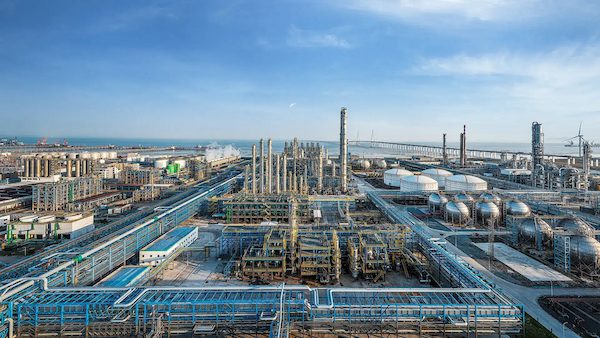
- U.S. refineries are running high throughput rates, making refined products while the operating margins are good.
- In turn, there is a measurable uptick in maintenance deferrals.
- Comparing IIR Energy’s planned schedules for turnarounds pre-war (February 1) and post-war plans as of September 9, a pattern has emerged showing crude unit turnarounds for fall 2026 are lower than had been expected pre-war.
- IIR Energy shows planned work at 10 crude units (seven refineries) moved from fall 2026 to fall 2027.Make hay when the sun shines, the saying goes. U.S. refineries are running high throughput rates, making refined products while the operating margins are good. In turn, there is a measurable uptick in maintenance deferrals, with refinery operators moving planned work that had been scheduled for 2026 into 2027. Typically, September through November is usually a peak time for fall maintenance, or turnarounds. However, the Middle East conflict has rattled global and regional energy markets, resulting in higher prices for crude and refined products like gasoline and diesel, boosting profit margins at refineries. …
Key Takeaways
- U.S. refineries are running high throughput rates, making refined products while the operating margins are good.
- In turn, there is a measurable uptick in maintenance deferrals.
- Comparing IIR Energy’s planned schedules for turnarounds pre-war (February 1) and post-war plans as of September 9, a pattern has emerged showing crude unit turnarounds for fall 2026 are lower than had been expected pre-war.
- IIR Energy shows planned work at 10 crude units (seven refineries) moved from fall 2026 to fall 2027.
31.7% of European Car Sales are EVs, and only ~21.7% are Purely Gasoline-fuel
What to know about the Kelvin wave raising the sea level along the West CoastSea levels along the West Coast will begin to rise by up to a foot this month as a series of pulses of warm water called Kelvin waves hit the shoreline and move north, sparking concerns about beach erosion and flooding in areas already impacted by climate change and El Niño. Kelvin waves are not like tsunamis, and they don’t curl over and crash on the beach. A better image is water sloshing in the bathtub or a swimming pool during an earthquake. In the ocean, they are bulges of water that lift the sea level as they move along the coast. They’re common during El Niño events, but this year’s super El Niño could intensify the impacts, experts say.
Video: The Climate Disaster We Were Warned About Has Begun!
Video: How Did American Capitalism Get so Rotten?
Video: Zionism Is OBVIOUSLY A Racist Ideology
Video: Iran Strikes Two Oil Vessels, Tightens Grip In Hormuz In Defiant Message To Trump’s Threats
Injustices Persist at Delaney Hall Three months have passed since the hunger and labor strike ended at Delaney Hall, and while cameras and protestors have dwindled on Doremus Avenue, conditions at the for-profit immigration detention facility have only further deteriorated.
‘NAZA’ Exposes Gaza’s Killing Machine—and the People Who Want It Hidden
US-Iran war: Tehran rejects military solution; Saudi-led coalition backs Yemen offensive against Houthis Strait of Hormuz tensions send tanker costs soaring as oil prices climb Iran says the Strait of Hormuz will remain “closed” until the US meets seven conditions, while Foreign Minister Abbas Araghchi says there is “no military solution” to the conflict. The Pentagon confirmed that all US B-1 bombers have been withdrawn from RAF Fairford following a security incident nearby. UKMTO also reported that a tanker was struck in the Strait of Hormuz, while another vessel off Yemen reported multiple explosions. Meanwhile, Middle East oil exports excluding Iran rose above pre-war levels last week despite attacks on ships in the Strait of Hormuz, according to maritime tracking firm Kpler. Brent crude topped $102 a barrel and Murban reached $110 as oil prices climbed.
‘A Devastating Gut Punch’: New Trump-GOP Cuts to Food Aid Take Effect Amid High Grocery Prices